We are delighted and proud to announce that NordBatt 2026 will feature the following international profiles of the highest possible standing as Plenary Speakers:
Professor Corsin Battaglia, Empa, ETH, EPFL
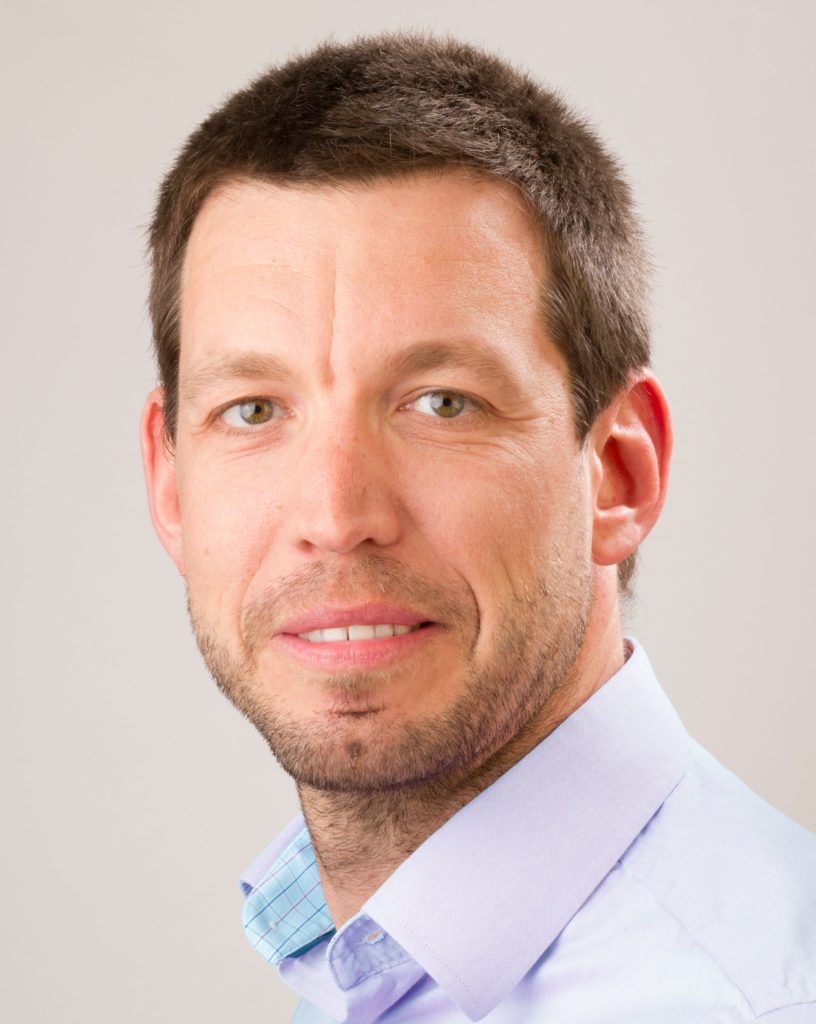
Corsin Battaglia is directing the laboratory Materials for Energy Conversion at Empa, the Swiss Federal Laboratories of Materials Science and Technology, and is Adjunct Professor of Electrical Engineering at ETH Zurich, Department of Information Technology and Electrical Engineering and Adjunct Professor of Materials Science at EPFL, School of Engineering, Institute of Materials. He is currently also the president of the Swiss Battery Association iBAT and the Swiss representative in the Battery2030+ initiative. After receiving his PhD in Physics from the Université de Neuchâtel in 2008, he was a postdoctoral researcher at EPFL until 2012 and at the University of California Berkeley and Lawrence Berkeley National Laboratories until 2014, before joining Empa. His current research focuses on sustainable next-generation lithium-ion and sodium-ion batteries, post-lithium-ion batteries, and the electrochemical conversion of CO2 to synthetic fuels.
Understanding and Controlling Solid Electrolyte Interphase Formation in Lithium-Ion Batteries
To achieve lithium-ion batteries with high energy density, electrodes are typically operated outside the electrochemical stability window of the electrolyte requiring the formation of a passivating solid electrolyte interphase to guarantee long cycle life. Fluorine-induced transition metal dissolution from the positive electrode is particularly detrimental because the dissolved metal ions migrate through the electrolyte and deposit on the negative electrode, where they trigger additional solid electrolyte interphase growth increasing cell resistance and consuming electrochemically active lithium. In my presentation, I will present a new strategy to prevent transition metal dissolution without the need for sacrificial electrolyte additives. I will also demonstrate how operando transmission electron microscopy and automated experimental workflows provide new insights into solid electrolyte interphase formation. I will conclude with a comparison of solid electrolyte interphase growth in next-generation all-solid-state batteries based on argyrodite and hydroborate solid electrolytes.
Professor Magda Titirici, Imperial College London
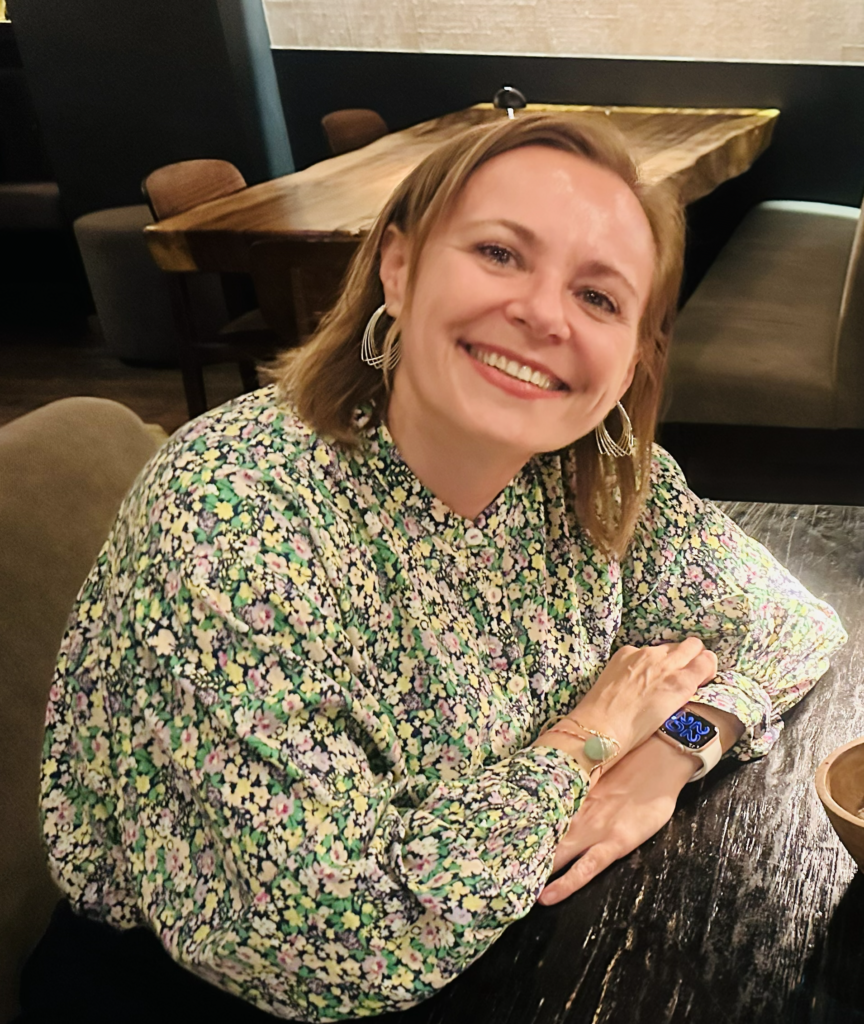
Magda has a PhD from University of Dortmund and a Habilitation from the Max-Planck Institute of Colloids and Interfaces/University of Potsdam. She moved to the UK in 2013 to take up a “Reader” position at Queen Mary University of London to be promoted to full professor one year later. Magda moved to Imperial in 2019 as a Chair in Sustainable Energy Materials. She also holds short visiting research positions in Japan, Sweden and Romania. Magda’s research is on sustainable materials and their implementation in batteries beyond Li ion as well as in electrocatalytic processes including biomass oxidation and O2/N2/CO2 reduction. Magda has been included on the list of highly cited researchers since 2018. Her research was awarded by Royal Society of Chemistry, Royal Society, Institute of Materials and Mines, Chinese Academy of Science and others.
Beyond Li: Na, K and Al based batteries-progress, challenges and prospects
To mitigate the climate change and reach a carbon neutral society before it is too late, a mix of sustainable energy technologies are needed.
Batteries will continue to play a vital role in decarbonising transportation as well as in storing the intermittent renewable energy. Li ion batteries have revolutionised the electrification of transportation and contributed significantly to grid storage. However, there are increasing concerns with the availability of the minerals currently used in Li-ion batteries today, especially looking at the predicted growth of batteries demand. Diversification of battery technologies with more sustainable options in mind, not only for the raw minerals used in future batteries but also for more sustainable manufacturing practices for cells and packs are needed.
In my talk I will touch on some of these sustainable practices needed to be implemented today while showing the 12 principles of “green batteries” inspired from “green chemistry” my research group introduced. I will than focus on Na-ion batteries, the next battery technology in line for commercialisation in 2024, with emphasis on our research on hard carbon anodes on understanding the fundamentals on Na ion storage using a mix of characterisation techniques coupled with electrochemistry. I will also discuss the importance and complexity of solid electrolyte interfaces and some perspectives on commercialisation from our group.
I will also resent some new insights onto a very old research topic: intercalation of alkali metals into graphite. We have performed in depth study on K intercalation in graphite using a combination of Raman (including looking at the low frequency band), XRD, dilatometry, optical microscopy as well as DFT calculation which when coupled with electrochemistry and post-mortem TOF-SIMS reveal the formation of a solid electrolyte interface responsible for capacity loss in the first cycles.
I will present also on Al-ionic liquid-graphite dual ion battery configurations while focusing on the Al anode corrosion and degradation using XPS, XAFS and post-mortem microscopy after various cycles as well as understanding the intercalation of AlCl4– in graphite, soft and hard carbon and the difference in the storage mechanism among such classes of carbons.